For many students at LAHS interested in creative careers, the animation industry has always seemed like a space for imagination and storytelling. However, recent news about canceled projects is beginning to shift the perception of animation and its viability.
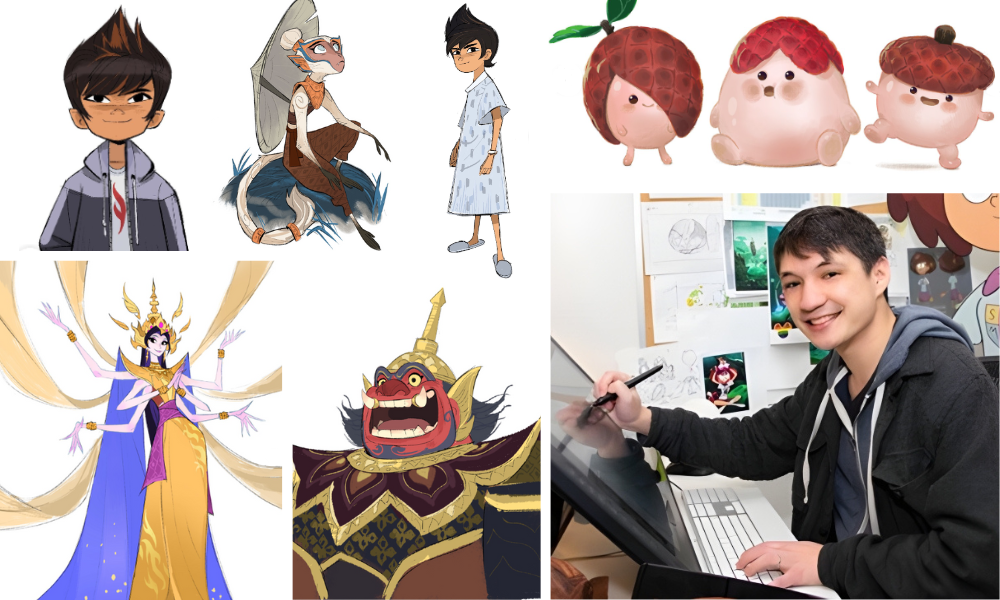
Sony Pictures Animation, known for its hit movies like K-pop Demon Hunters and Spider-Man: Into the Spider-Verse, recently scrapped an original film rooted in Thai folklore by acclaimed creators Matt Braly and Rebecca Sugar after more than two years in development. The decision, reportedly, was based on the project not being “commercial enough,” and has ultimately raised concerns about what kinds of stories studios and companies are willing to support and put out for the public.
The film, inspired by Braly’s Thai-American heritage, followed a young boy navigating illness through a mythological spirit world. Despite its unique cultural perspective and emotional depth, it ultimately failed to meet the studio’s profitability expectations.
Students on campus say this reflects a larger issue within the animation industry, where originality is often foreshadowed by financial risk. Many point to similar patterns, including major studios cutting shows short despite strong fan support.
“It’s honestly discouraging,” said junior Melissa Reyes Navaro. “As someone in digital graphics and as someone who wants to go into this field, it feels like even really meaningful stories can get shut down because they’re not seen as profitable.”
Many people believe that projects like this are important because they push creative boundaries and allow artists to tell more personal stories. Without that support, future creators may feel pressured to pursue safer, less original ideas.
Other students emphasized the importance of representation, especially in an industry where certain cultures are rarely highlighted. The canceled film’s focus on Thai mythology stood out as something unique and necessary.
“I think representation is really important, especially because Thai culture isn’t something that you see a lot in animation,” said junior Aden Vo. “The plot sounded really meaningful too, and stories like that can resonate with a lot of people, even if they’re not from that culture.”
Students also connected this situation to past decisions by major studios, including shortened runs of shows created by the same artists. These patterns have led many to question whether creative risks are still valued in mainstream animation.
As the industry continues to prototype market stability, students say they hope studios will recognize the long-term impact of diverse storytelling. For aspiring artists at LAHS, these decisions don’t just affect entertainment; they shape the future of creative expression.
“It makes you wonder what stories we’re missing out on,” said Vo. “Because sometimes the ones that aren’t seen as ‘safe’ are the ones that matter most.”